Regular
Aoyagi Farm・Iga, Mie Prefecture
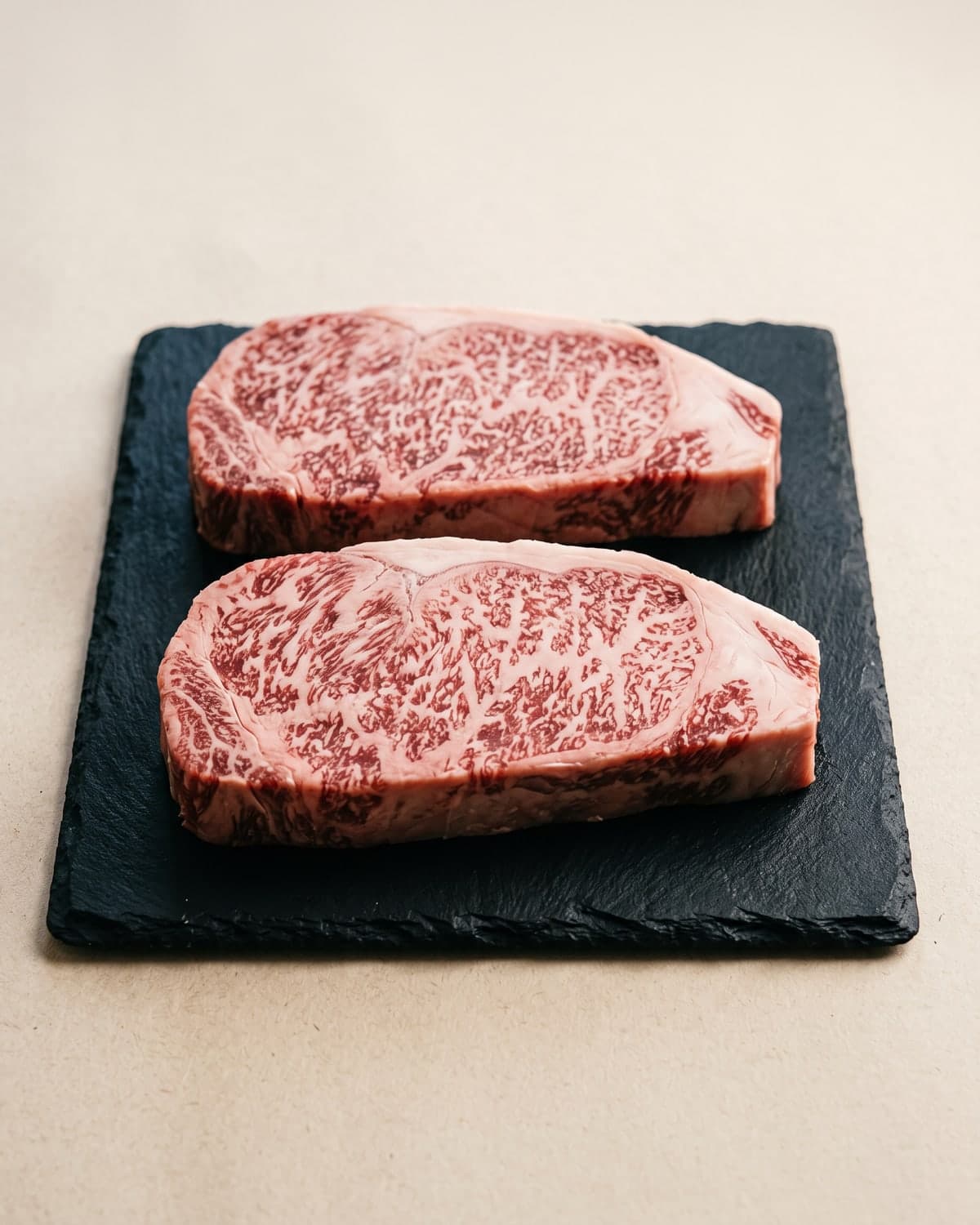
Iga Beef A5 Sirloin Steak, 2 x 200g
Two 2cm steaks, BMS 10, from a maiden heifer
- Grade
- A5
- BMS
- 10
- Cut
- Sirloin
- Weight
- 400g
- From
- Iga, Mie Prefecture
¥19,800tax included≈ $133
In stockGift-ready
We ship within Japan, and to your hotel.
2 March 2026 · Iga, Mie Prefecture
About 1,300 head of Iga beef are shipped a year, and most of it is eaten inside Mie. Very little leaves the prefecture.
Iga beef means Japanese Black cattle finished for at least twelve months in the cities of Iga and Nabari. The brand goes back to the Meiji era, but it has stayed small: Matsusaka ships roughly 4,500 head a year, Iga around 1,300. So little reaches the rest of the country that even in Tokyo only a handful of restaurants carry it.
Aoyagi Farm sits in a valley at the foot of the Aoyama plateau, in the south of Iga. Three barns, about ninety animals at any one time. Kenji Aoyagi, the third generation, was born in 1978 and spent five years at a meat wholesaler in Nagoya after university. Having been on the selling side, he says, you know what people are actually looking at once the animal is a carcass. He took over the farm in 2006.
The day starts with feeding at 5:30. The mix is his own: rice straw, spent brewer's grain, barley, rice bran, tofu lees. The straw is bought directly from rice farmers in Iga; he does not use imported straw. You can see the quality of the straw in the manure, he says. Feeding happens twice, morning and four in the afternoon, and the amount is set animal by animal.
Iga is a basin, with wide gaps between summer and winter and between day and night. August afternoons pass 35°C; January mornings go below freezing. It is not an easy climate for cattle, but Kenji believes the swing drives the rhythm of their appetite and shows up in the fat. In summer he runs misting fans through the barns to pull their body temperature down.
Wagyu is usually finished at twenty-eight to thirty months. Aoyagi averages thirty-two. Those extra four months add more than 100,000 yen a head in feed. Past thirty months, he says, the melting point of the fat comes down: the temperature at which it goes soft in your mouth changes. It is not something he can prove on paper; he finds out at auction.
Carcasses are auctioned twice a month at the Iga meat market, and that is where the grade is decided. About one animal in five comes back A5 with a marbling score of BMS 10 or above. Our sirloin uses only that band; the rest goes to chuck roll and to the hamburg steaks. Kenji attends every auction and writes down what each of his animals fetched.
A card hangs on the barn wall for every animal, with its ten-digit individual identification number and date of birth. Anyone can look that number up in the national livestock database and trace the animal back to the farm it was born on. We print it on what we ship. He does not name the cattle, only number them: name them, he says, and you cannot send them away.
His wife Kayo handles the paperwork and the dispatching. Their son Ren is in his final year of high school and has not decided whether to study animal science. Kenji will not tell him to take it on. He only says that the more people who eat this beef and go home remembering the words Iga beef, the longer it stays an option.
Aoyagi Farm
Aoyagi Farm・Iga, Mie Prefecture
Two 2cm steaks, BMS 10, from a maiden heifer
¥19,800tax included≈ $133
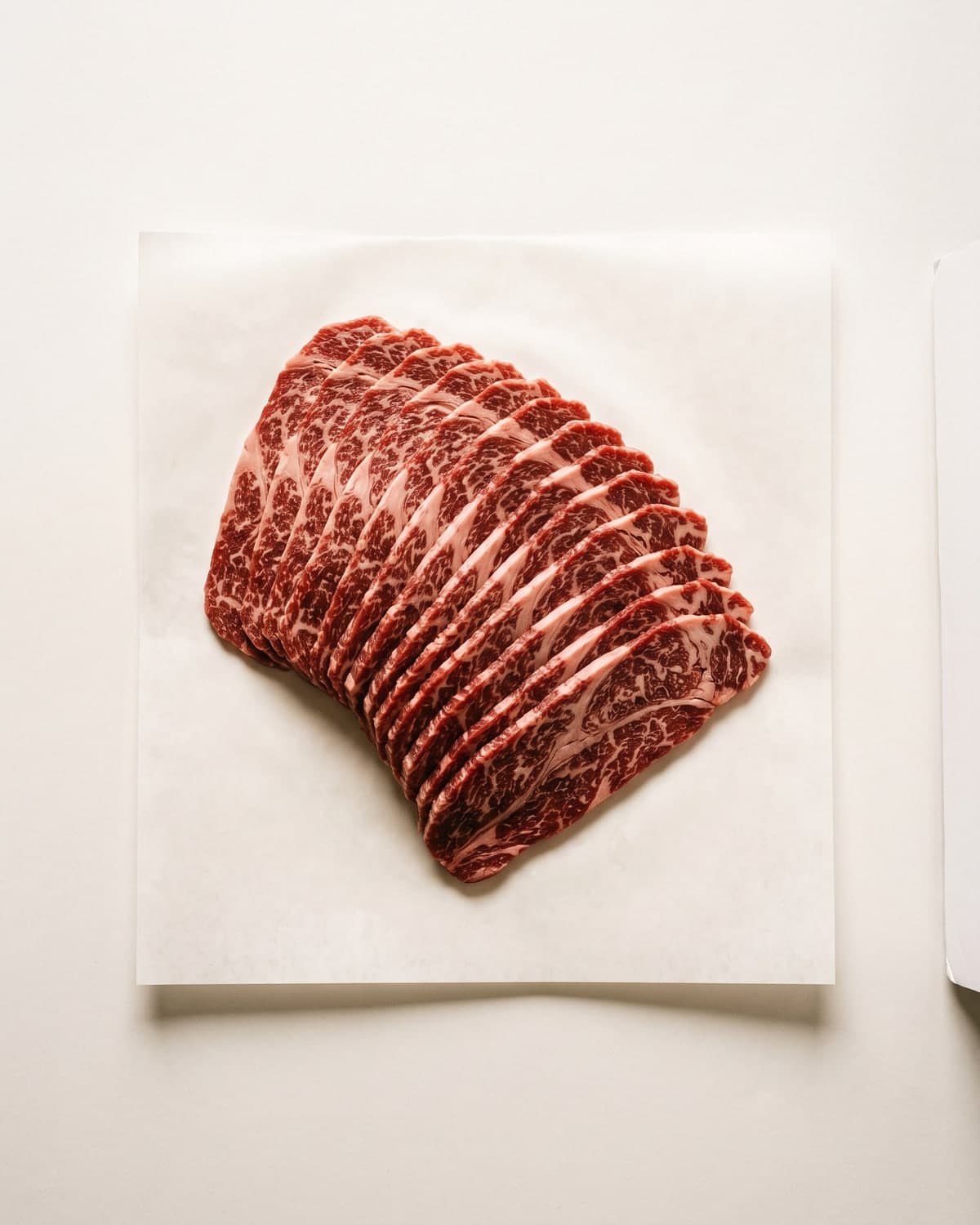
Aoyagi Farm・Iga, Mie Prefecture
Sliced at 1.8mm: one hot pot for three or four
¥13,200tax included≈ $88
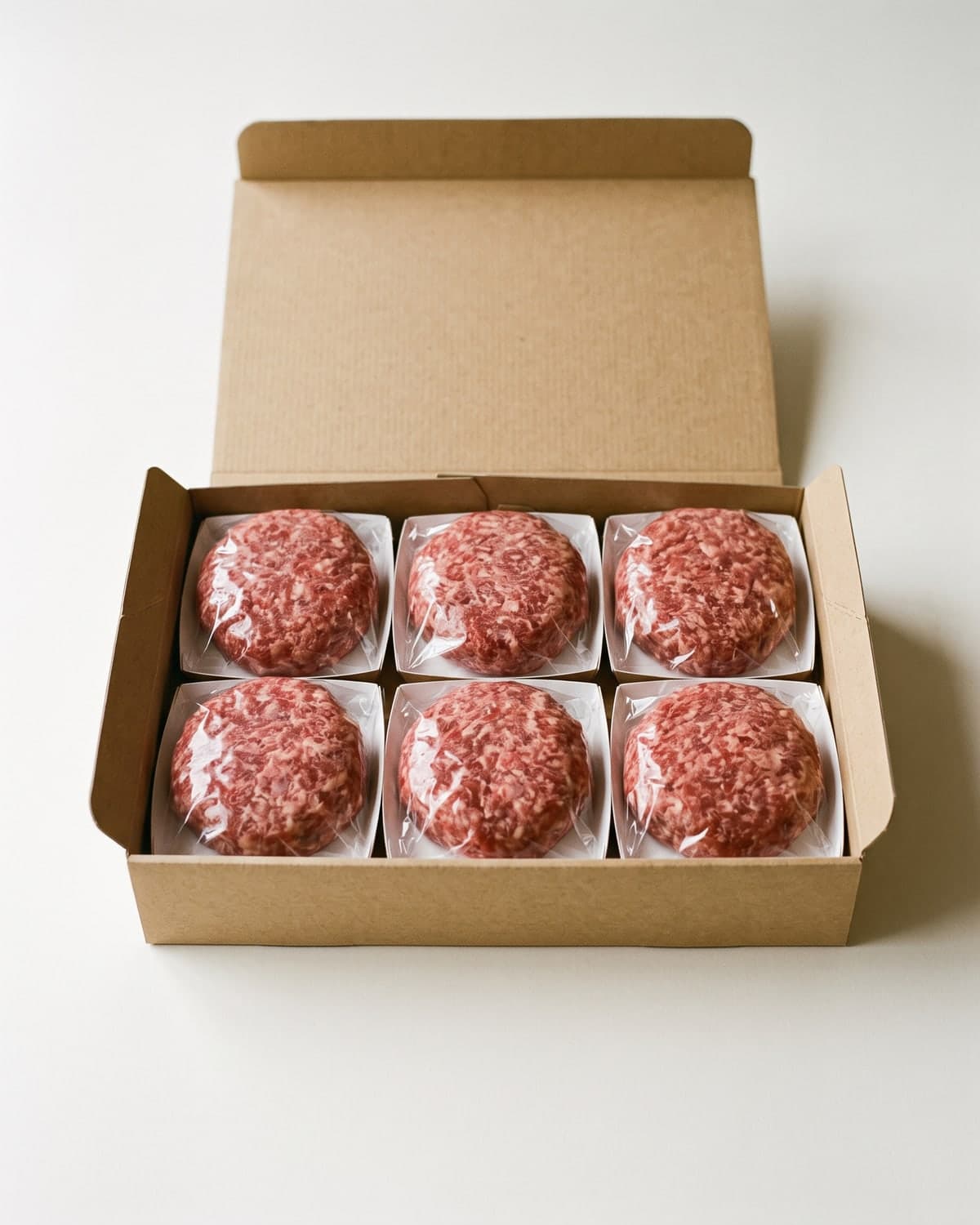
Aoyagi Farm・Iga, Mie Prefecture
Onion, breadcrumb, nothing else. Twelve minutes in a pan
¥8,800tax included≈ $59
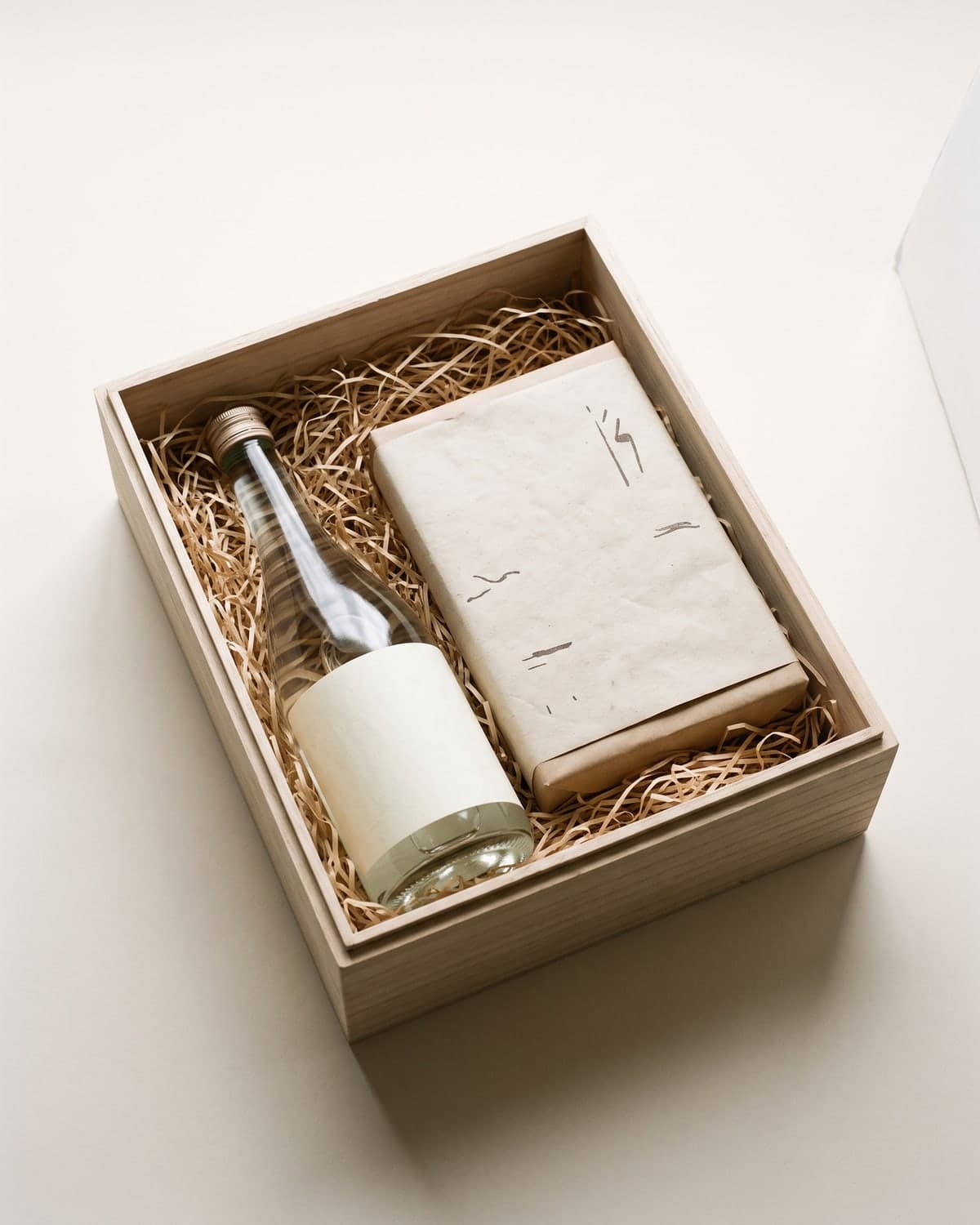
Iga Beef A5 sirloin, 2 x 200g / Akari Junmai Daiginjo Hatsuakari 720ml / pairing card
Beef and sake from the same town, boxed for two
¥28,600tax included≈ $192