Regular
Akari Shuzo・Iga, Mie Prefecture
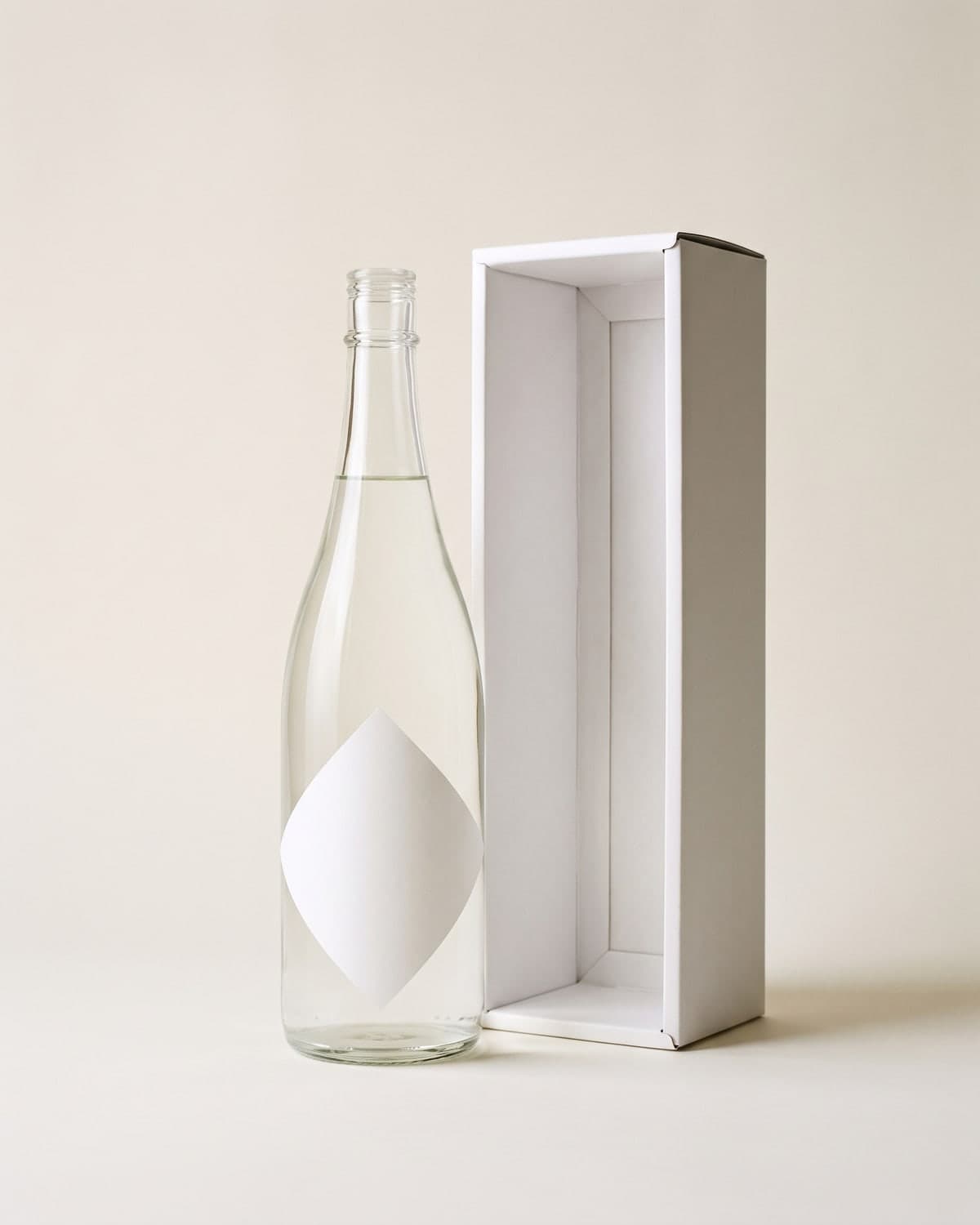
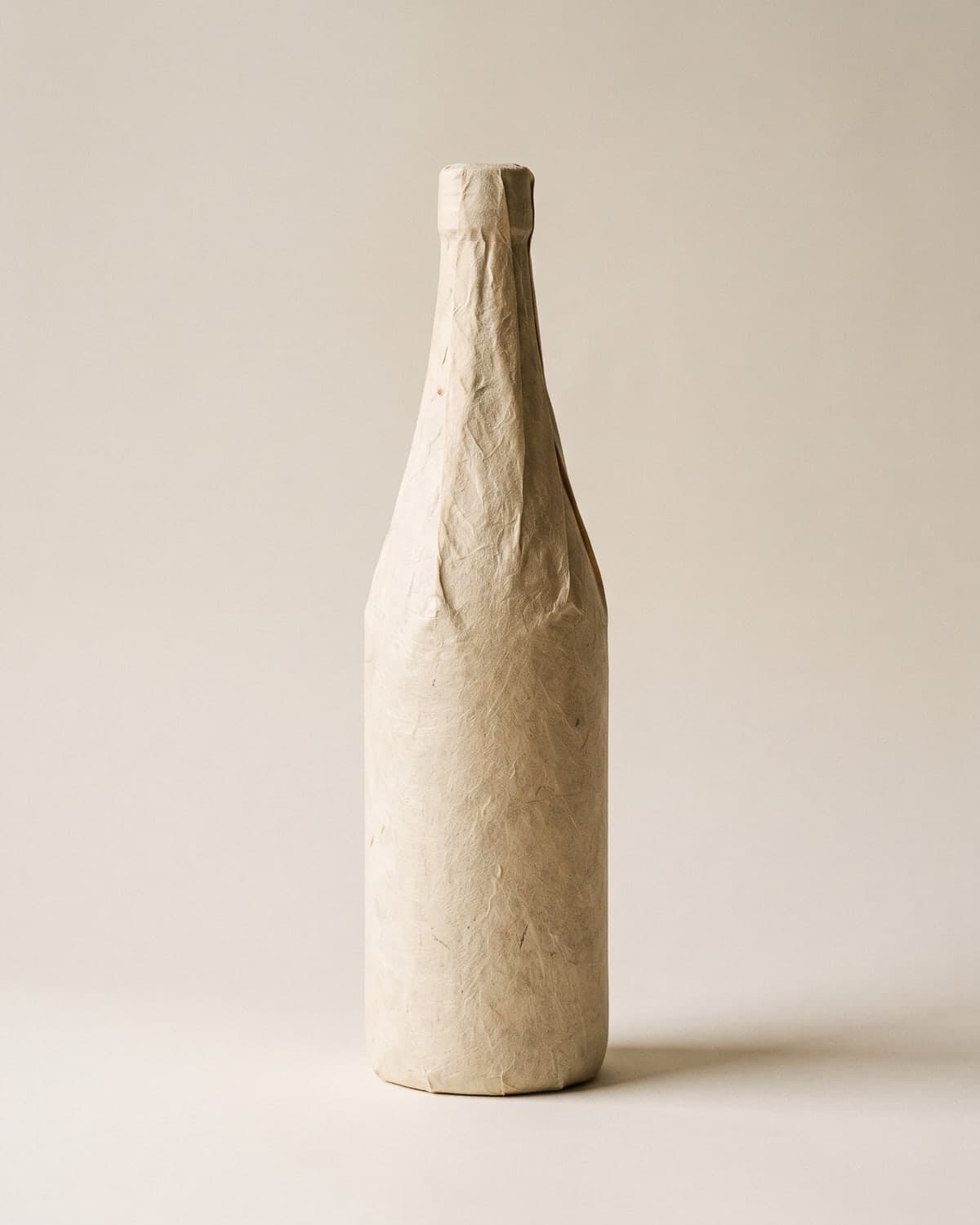
Akari Junmai Daiginjo Hatsuakari, 720ml
Yamada Nishiki milled to 40%, boxed and ready to hand over
- Polish
- 40%
- SMV
- +2
- Size
- 720ml
- ABV
- 15.5%
- From
- Iga, Mie Prefecture
¥8,800tax included≈ $59
In stockGift-ready
We ship within Japan, and to your hotel.
14 February 2026 · Iga, Mie Prefecture
Iga, Mie Prefecture. Three hundred and fifty koku a year, five people on the floor, and a first tank that sets the tone for everything after it.
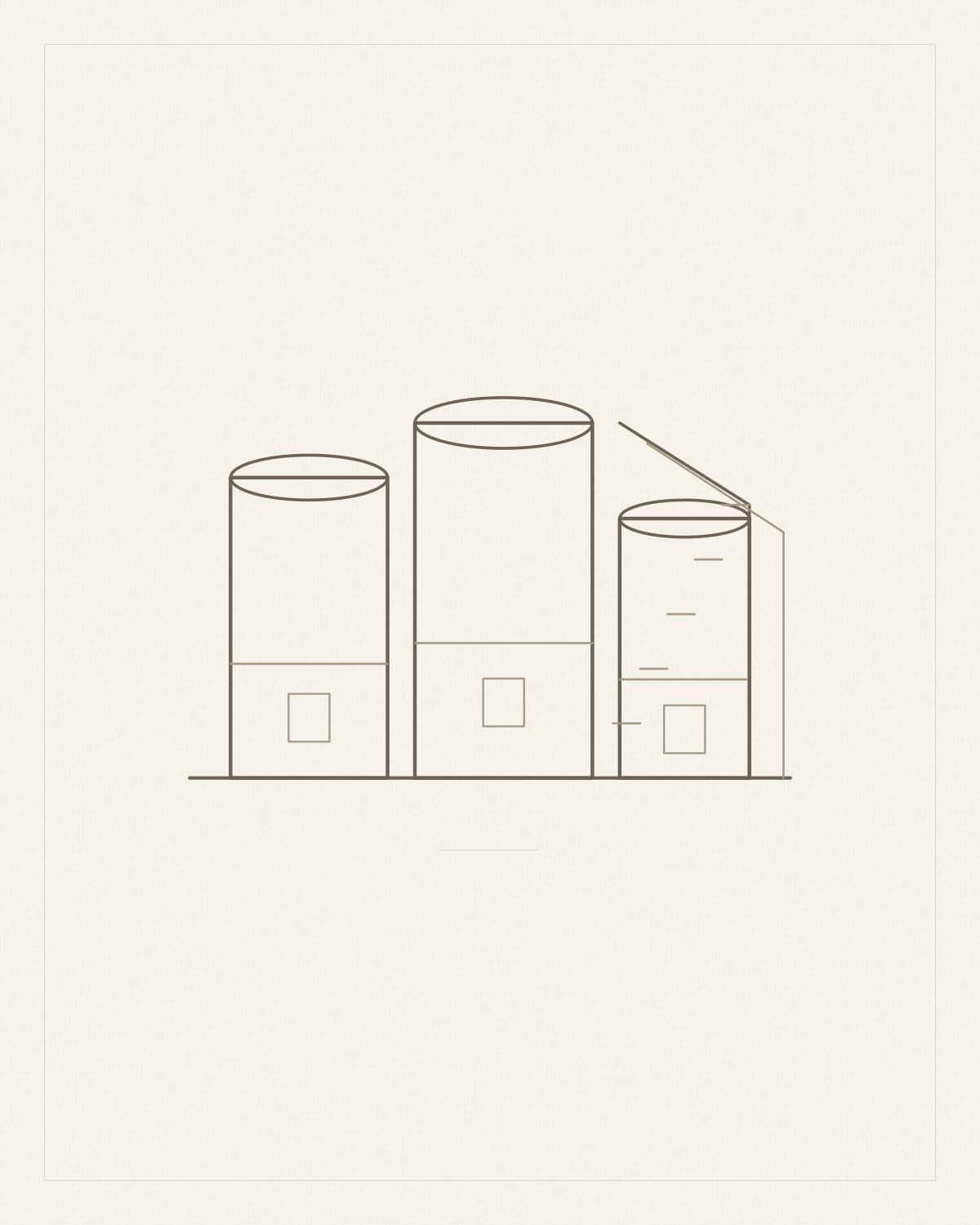
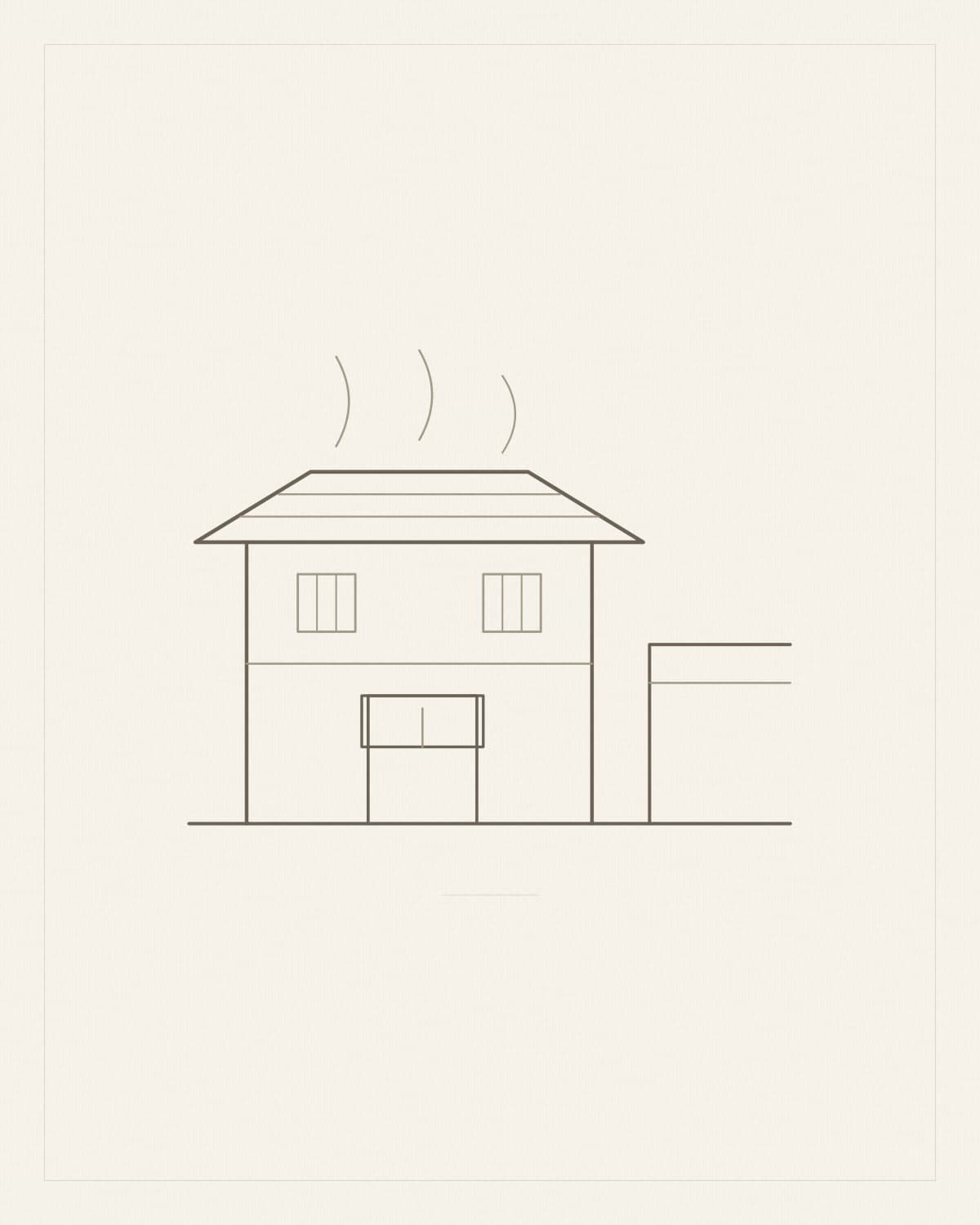
Akari Shuzo was built in 1897 on the old Iga highway. It made soy sauce and miso as well as sake back then, and only became a sake brewery after the war. Two buildings remain: a Meiji-era mud-walled storehouse and the brewing hall added in 1974. The walls of the old storehouse are 45cm thick and the room never goes above 26°C, even in August. That is where the aged sake sits.
Minoru Shibahara, the fifth generation, is also the toji. He studied fermentation at university, then spent ten years working at a brewery in Niigata, and came home to Iga in 2009 at the age of thirty-seven. The water there is hard and ferments fast, he says; Iga's water is soft, around 30 ppm, so the same method simply does not finish in time. For his first three years back, he added two days to the fermentation each season until it did.
Brewing starts in mid-November. Rice comes from three contracted farms: Yamada Nishiki from Miki in Hyogo, Kaminoho from paddies inside Iga itself. He switched to Kaminoho in 2013, and it is now about 60% of what they brew. His reason is unromantic: the prefecture bred the rice, and it would be strange for a brewery in the prefecture not to use it.
The koji room is lined in cedar, roughly twenty square metres. Steamed rice is spread by hand, dusted with koji spores, and worked for forty-eight hours while the mould takes hold. Someone has to read the temperature every two hours, so the staff sleep at the brewery in shifts. On a January morning in Iga it is −2°C outside and 35°C in that room, and walking between the two is the part of the job that wears people down.
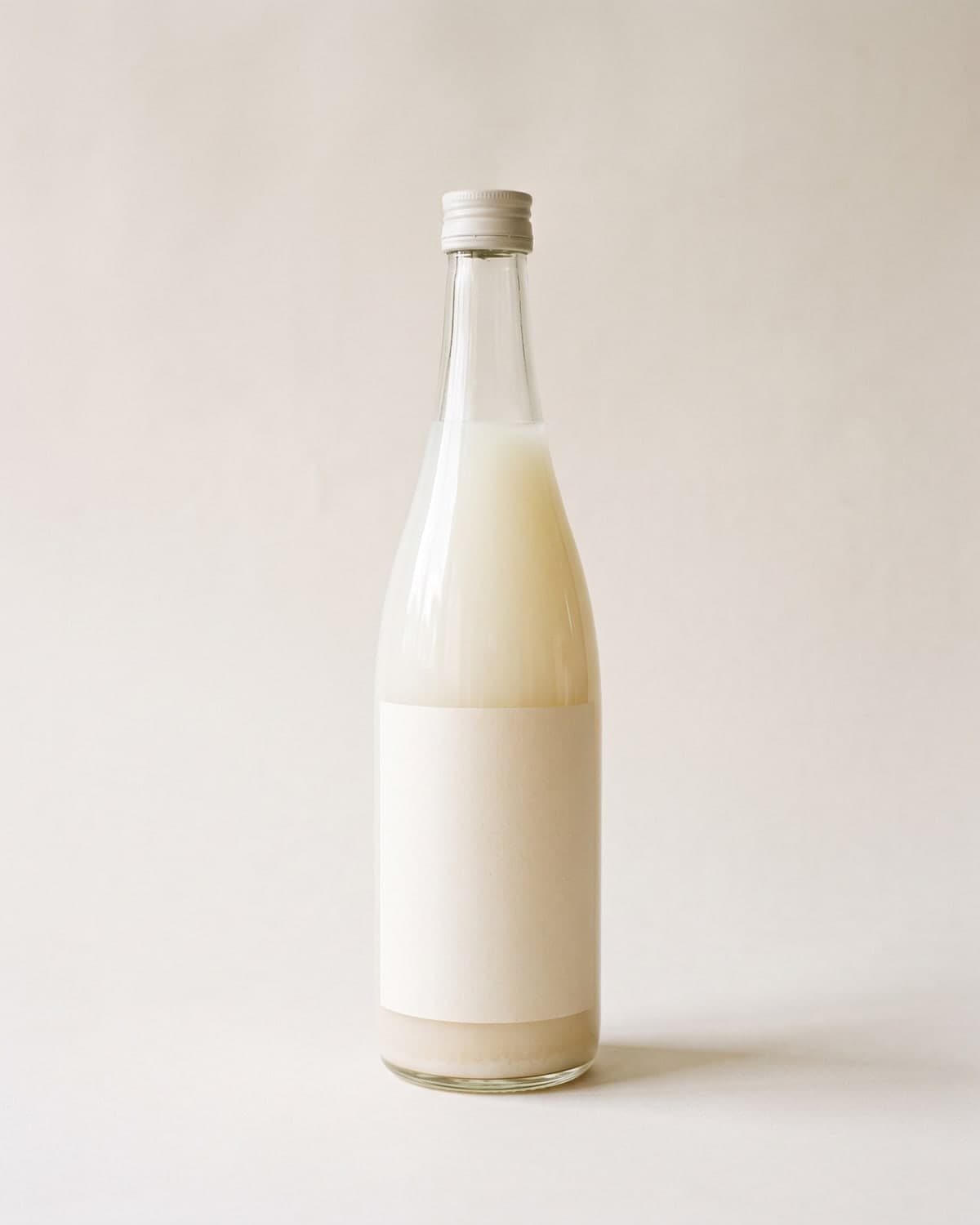
For ten days in January they brew the nigori. It is pressed through a coarse cloth that leaves rice solids in the bottle, and the cold stops the yeast before it has eaten all the sugar. The sweetness in Yukiakari is not sugar, Shibahara says, it is that winter. In a mild year the sake meter value comes out two or three points drier.
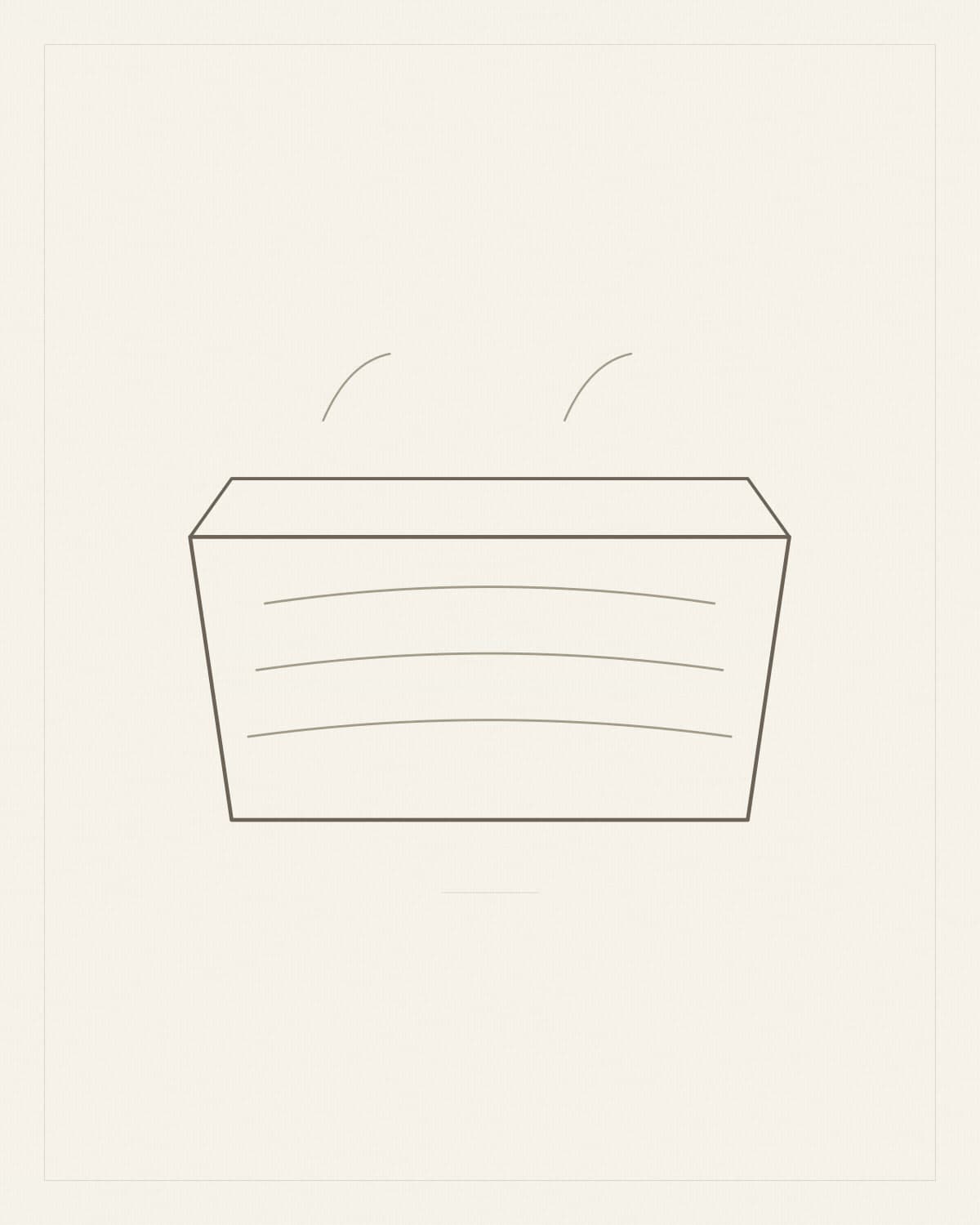
Pressing is done on a wooden box press. Sake goes into cloth bags that are stacked inside it; what falls first, under nothing but the weight of the bags, is the nakadori, and only that goes into Hatsuakari. Pressure comes later, gradually, for everything else. One 1,800-litre tank gives about 900 bottles. They ship in February, and when the bottles are gone the vintage is over.
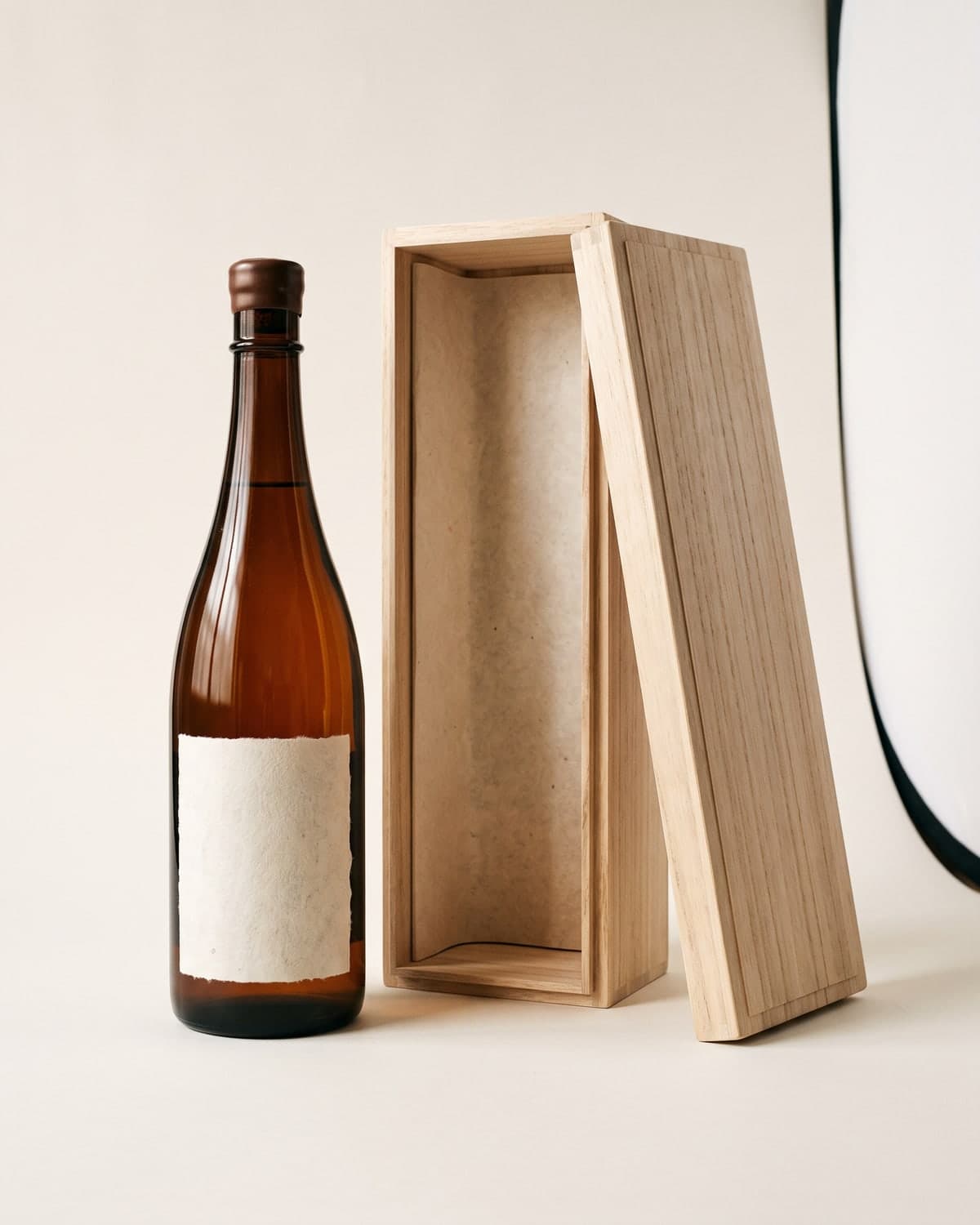
At the end of March comes koshiki-taoshi, the day the last batch of rice is steamed, and the crew goes back to their fields. That is when Shibahara tastes through everything made that year and decides which single tank will be held for ten years. The one he set aside in 2015 was released in February 2026 as Junenbi. Deciding is the easy part, he says. Then you rotate the bottles twice a year for a decade and watch how the sediment clings, and it is not a job you get to forget about.
Akari Shuzo

Akari Shuzo・Iga, Mie Prefecture
Yamada Nishiki milled to 40%, boxed and ready to hand over
¥8,800tax included≈ $59
Akari Shuzo・Iga, Mie Prefecture
Mie-grown Kaminoho rice, made for a glass on a Tuesday
¥2,860tax included≈ $19
Akari Shuzo・Iga, Mie Prefecture
Coarse-strained, white and sweet: nigori with texture
¥3,300tax included≈ $22
Akari Shuzo・Iga, Mie Prefecture
Brewed in 2015, cellared ten years, poured amber
¥16,500tax included≈ $111