Regular
Akari Shuzo・Iga, Mie Prefecture
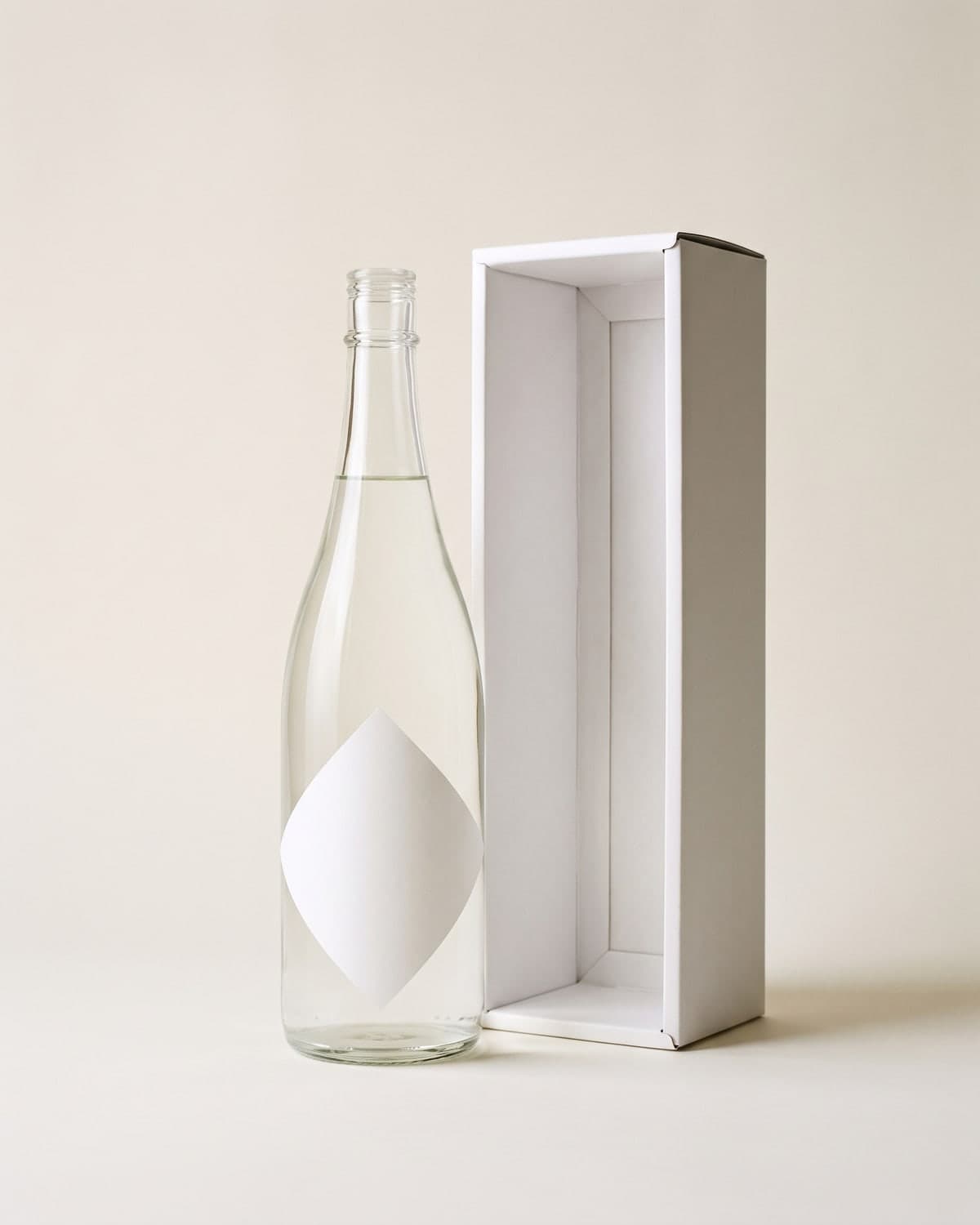
Akari Junmai Daiginjo Hatsuakari, 720ml
Yamada Nishiki milled to 40%, boxed and ready to hand over
- Polish
- 40%
- SMV
- +2
- Size
- 720ml
- ABV
- 15.5%
- From
- Iga, Mie Prefecture
¥8,800tax included≈ $59
In stockGift-ready
Brewed in 2015, cellared ten years, poured amber
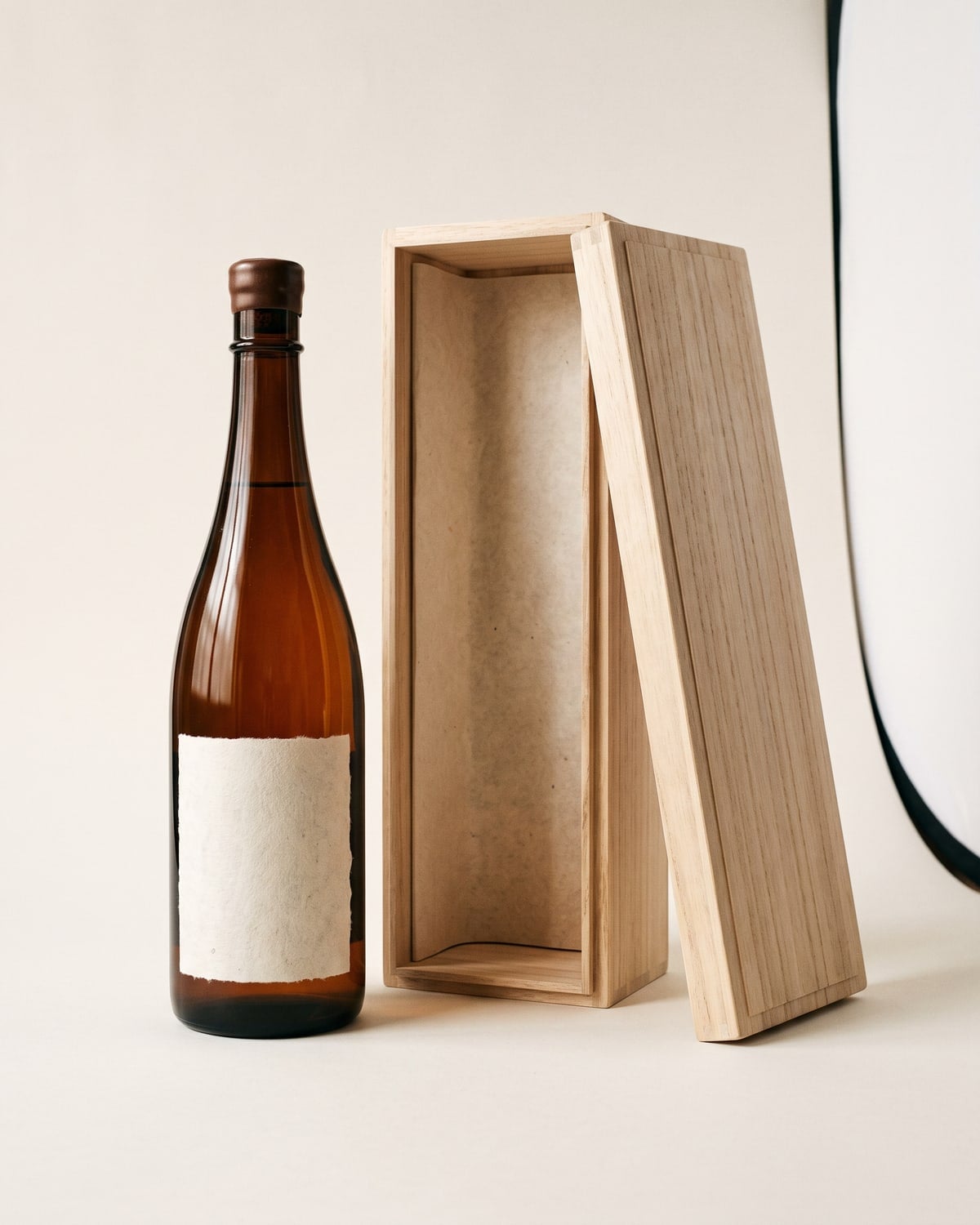
Not photographed yet. 5 drawings stand in for now.
¥16,500tax included≈ $111
灯 十年古酒 十年灯 720ml
Where should we send it?
Apple Pay and Google Pay accepted
Payment is handled by Stripe. Your card number never reaches us.
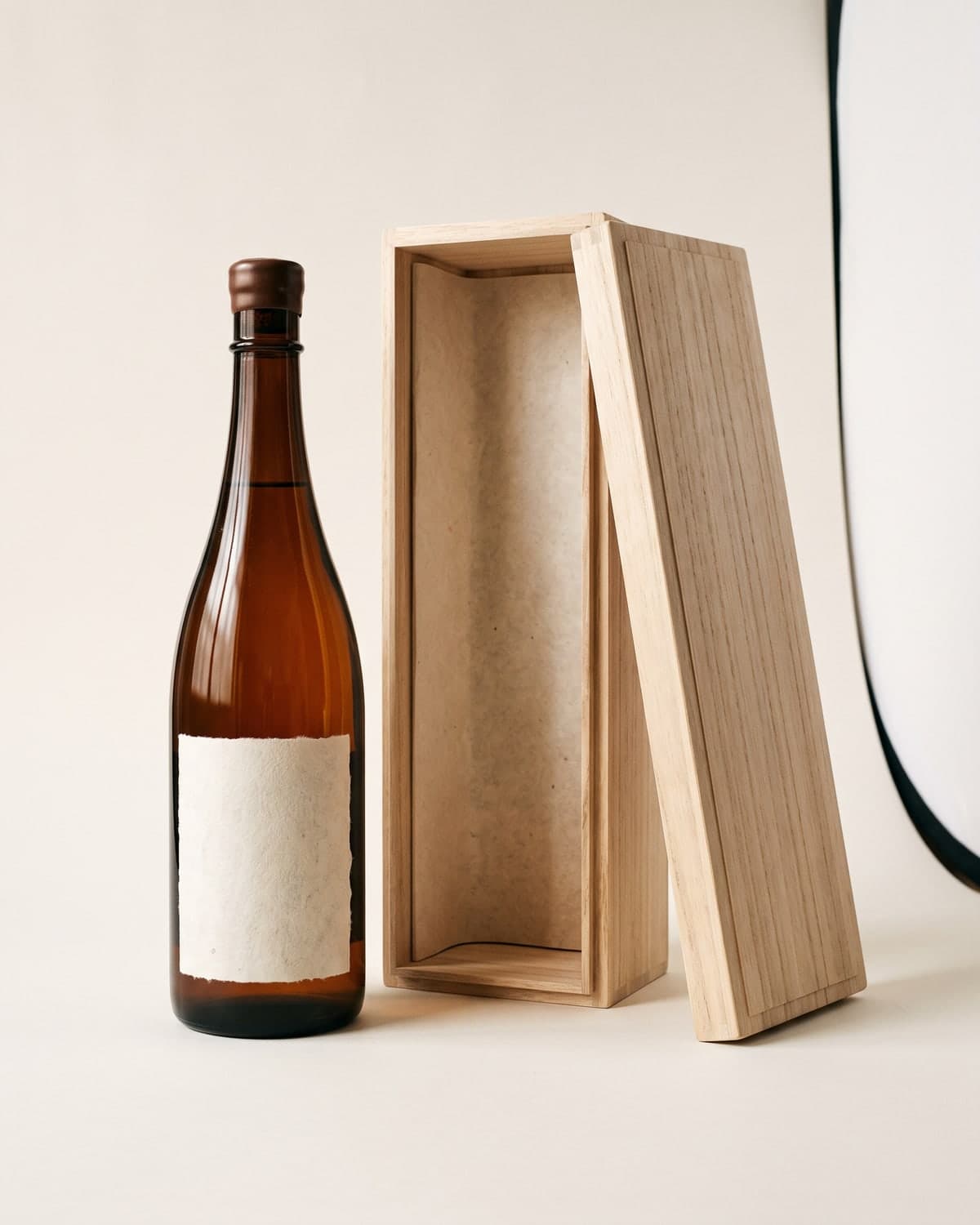
Akari Ten-Year Koshu Junenbi, 720ml
¥16,500
Arrives as early as Mon 28 Sept
Shipping ¥990 to most of Japan
We can't ship alcohol overseas yet; the export licence is in progress. Items without alcohol can be sent abroad today.
Shipping by zone: Anywhere in Japan ¥990 · Domestic shipping is free on orders over ¥15,000.
Shipped direct from the brewery, Mon–Thu only
You can choose a delivery date and time slot (Japanese addresses only)
The sale of alcohol to persons under 20 is prohibited by law in Japan.
A junmai daiginjo brewed at Akari Shuzo in 2015 and left in their 10°C cellar for ten years. Amber in the glass, with dried apricot and caramel on the nose. Three hundred bottles are released a year, each in a paulownia-wood box. 17% ABV, 720ml.
| Classification | Junmai Daiginjo, ten-year aged koshu |
|---|---|
| Rice | Yamada Nishiki (grown in Hyogo) |
| Polishing ratio | 50%lower means more grain milled away |
| Sake meter value | +1about neutral |
| Acidity | 1.81.4 is typical |
| Alcohol | 17% |
| Volume | 720ml |
| Serve at | Room temperature, Warmed, On the rocks |
| Region | Iga, Mie Prefecture |
| Brewery | Akari Shuzo |
| Process | Brewed 2015, bottle-aged ten years at 10°C |
| Spec | Akari Ten-Year Koshu Junenbi, 720ml (this page) | Akari Junmai Daiginjo Hatsuakari, 720ml | Akari Nigori Yukiakari, 720ml | Akari Junmai Hibiakari, 720ml |
|---|---|---|---|---|
| Price, tax included | ¥16,500 | ¥8,800 | ¥3,300 | ¥2,860 |
| Classification | Junmai Daiginjo, ten-year aged koshu | Junmai Daiginjo | Junmai Nigori | Junmai |
| Rice | Yamada Nishiki (grown in Hyogo) | Yamada Nishiki (grown in Hyogo) | Kaminoho (grown in Mie) | Kaminoho (grown in Mie) |
| Polishing ratio | 50% | 40% | 60% | 60% |
| Sake meter value | +1 | +2 | -8 | +4 |
| Acidity | 1.8 | 1.3 | 1.7 | 1.6 |
| Alcohol | 17% | 15.5% | 14% | 15% |
| Volume | 720ml | 720ml | 720ml | 720ml |
| Serve at | Room temperature, Warmed, On the rocks | Chilled, Room temperature | Chilled, On the rocks | Chilled, Room temperature, Warmed |
| Region | Iga, Mie Prefecture | Iga, Mie Prefecture | Iga, Mie Prefecture | Iga, Mie Prefecture |
| Brewery | Akari Shuzo | Akari Shuzo | Akari Shuzo | Akari Shuzo |
| Process | Brewed 2015, bottle-aged ten years at 10°C | Pasteurised once, free-run middle cut | Coarse-strained, pasteurised once | Pasteurised once |
| Availability | In stock | In stock | In stock | In stock |
01
Room temperature, 18–20°C. Too cold and the aroma shuts down
02
30ml in a small glass; warming it in your hand, brandy-style, works
03
Gently warmed to 40°C, the caramel note lifts
04
Also good over a single ice cube, which takes the edge off 17%
05
Pairs with grilled eel, dried persimmon, blue cheese and dried fruit
The maker
In the winter of 2015, Akari Shuzo filled six tanks with junmai daiginjo. One of them never shipped. The toji thought that year's sake was hard and would not be interesting yet, so the bottles went to the back of the cellar.
From the person who chose it
Every February they release the bottling from ten years earlier. The 2026 release is the last 300 bottles of the 2015 tank.
— Gate Japan team, Guida
Presented in a paulownia-wood box with a bilingual certificate stating the brewing year, the storage temperature and the analytical values. Noshi paper can be inscribed with a name, and the whole box is wrapped.
Noshi is the paper slip that traditionally accompanies a gift in Japan. Outer noshi goes over the wrapping, so the occasion is visible at a glance. Inner noshi goes under it, for a more understated gift, and is the usual choice for anything shipped.
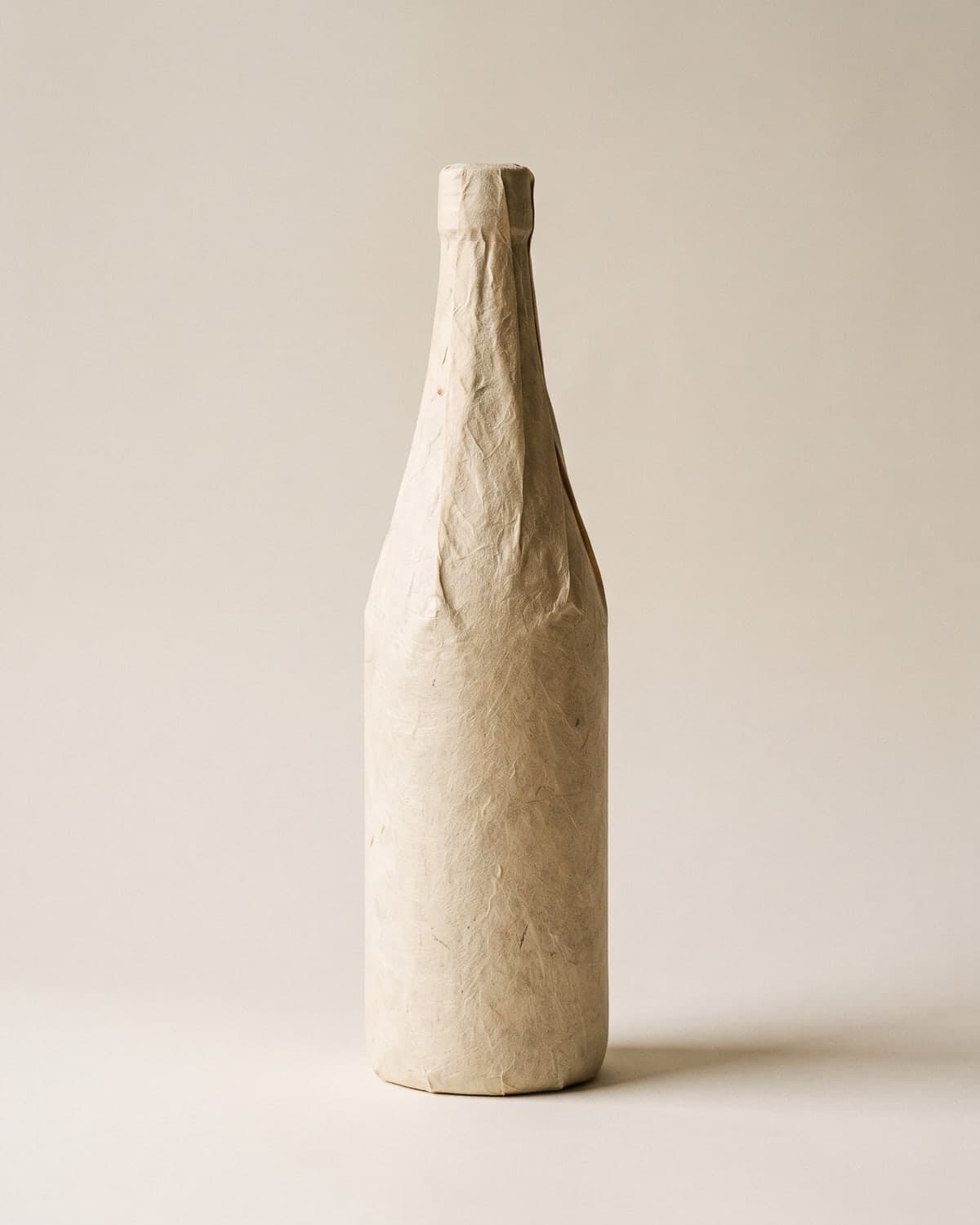
Akari Shuzo・Iga, Mie Prefecture
Yamada Nishiki milled to 40%, boxed and ready to hand over
¥8,800tax included≈ $59
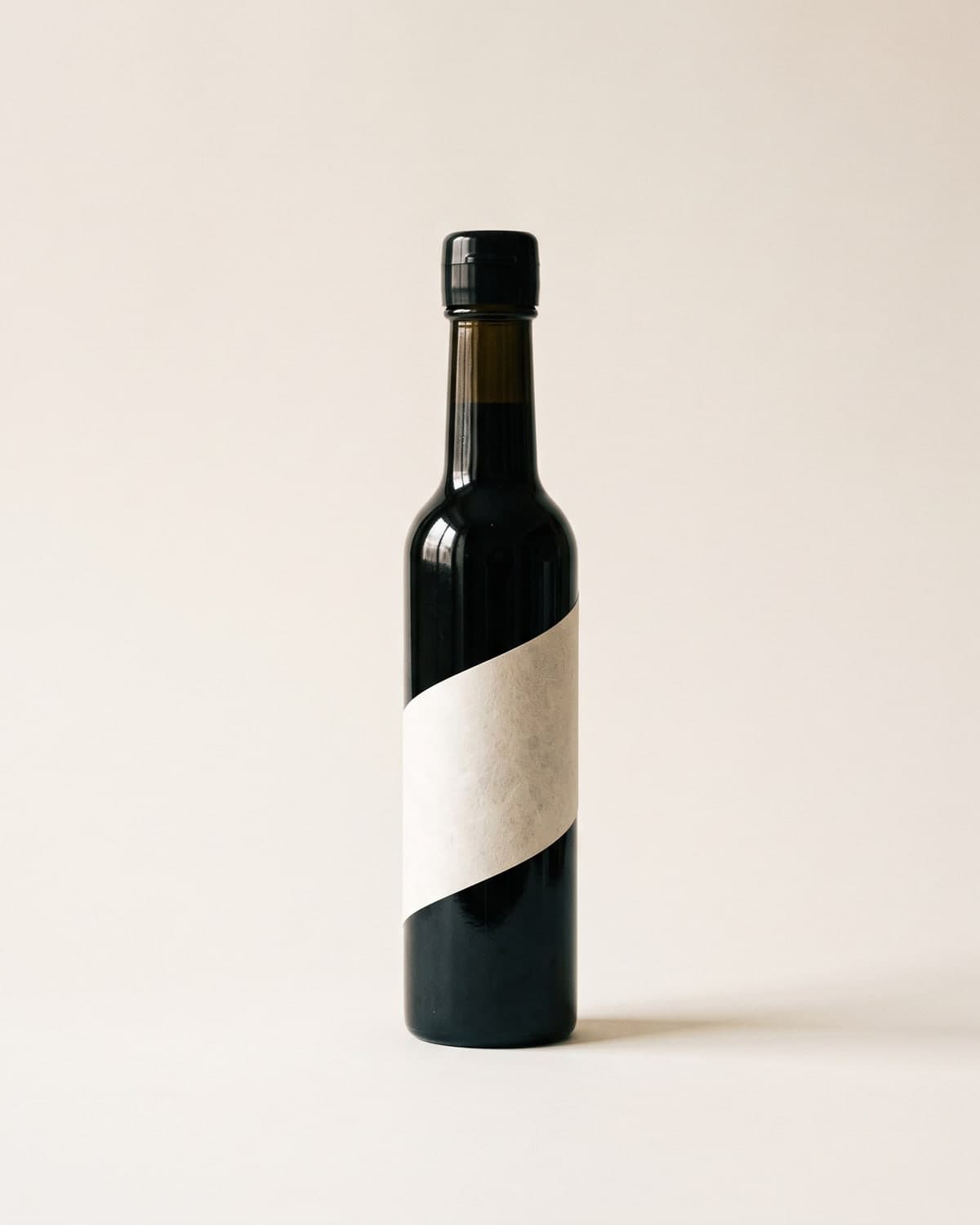
Akari Shuzo・Iga, Mie Prefecture
Mie-grown Kaminoho rice, made for a glass on a Tuesday
¥2,860tax included≈ $19
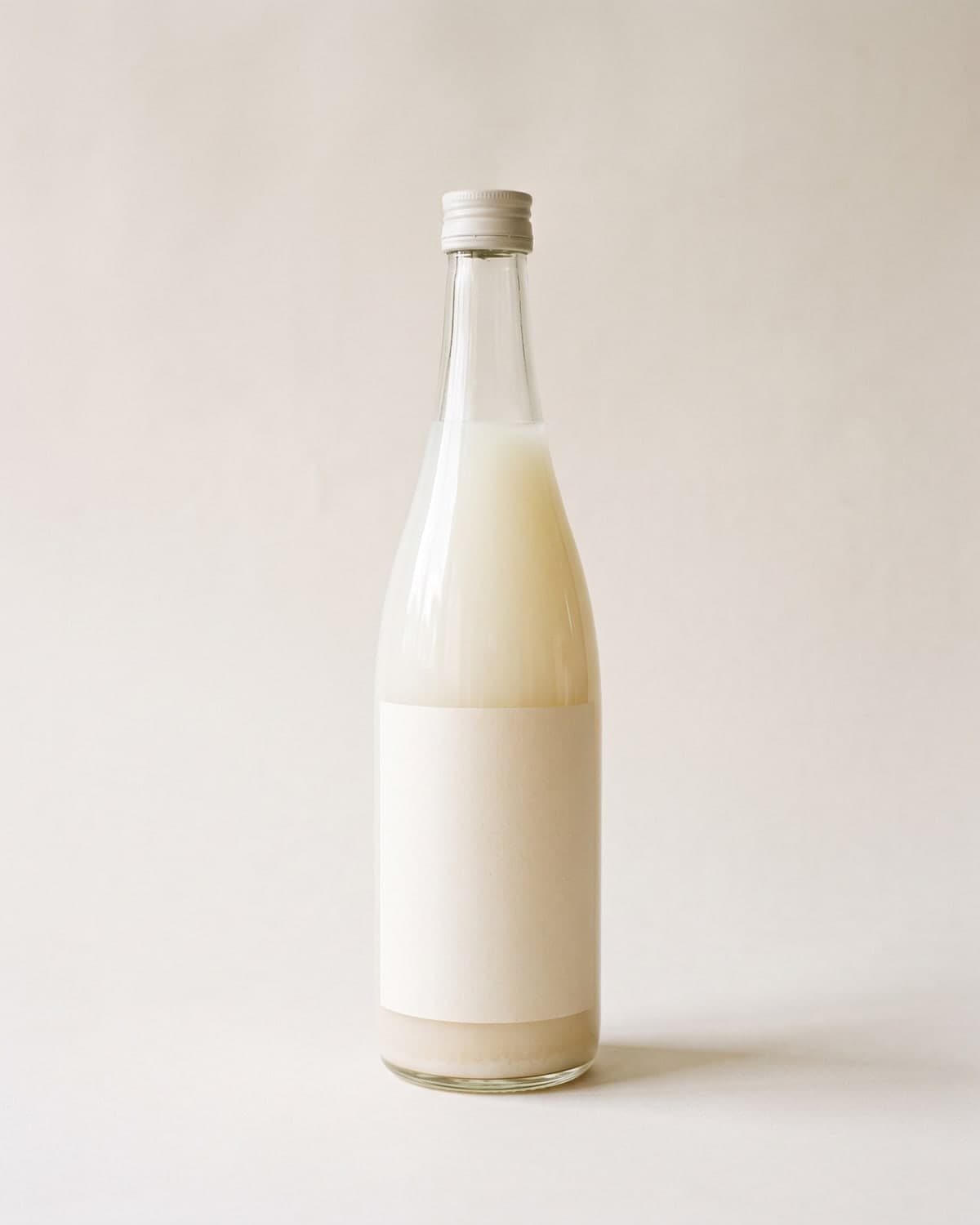
Akari Shuzo・Iga, Mie Prefecture
Coarse-strained, white and sweet: nigori with texture
¥3,300tax included≈ $22
Soybeans (Japan, non-GM), wheat (Japan), sun-dried sea salt
Two summers in a cedar vat in Yuasa, Wakayama
¥1,980tax included≈ $13
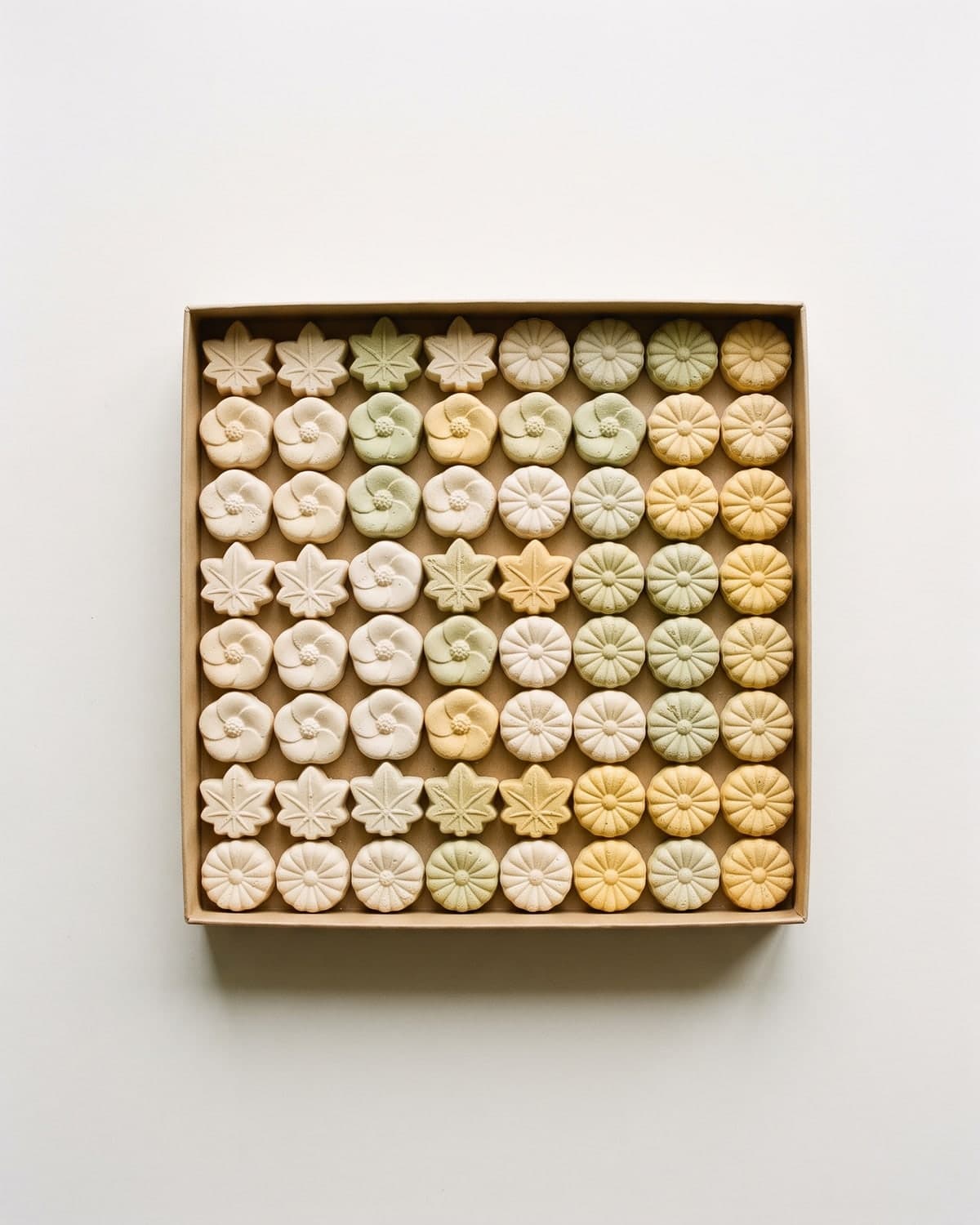
Awa wasanbon sugar (Tokushima), water
Pure sugar, pressed in wood, gone in four seconds
¥2,750tax included≈ $18
We do not sell alcohol to anyone under 20.
The courier will check ID on delivery.
Please don't drink while pregnant or nursing. Enjoy responsibly.