Regular
Akari Shuzo・Iga, Mie Prefecture
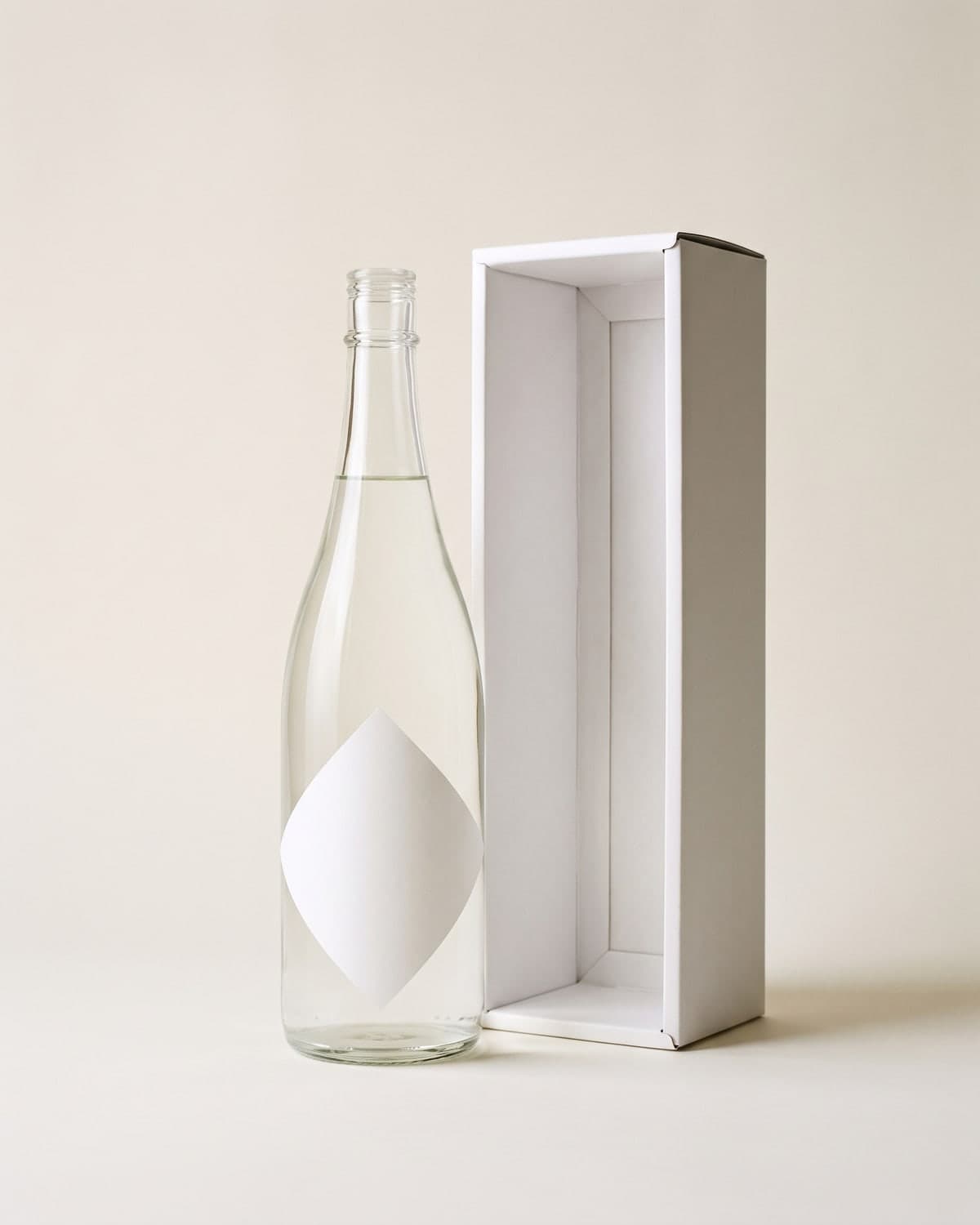
Akari Junmai Daiginjo Hatsuakari, 720ml
Yamada Nishiki milled to 40%, boxed and ready to hand over
- Polish
- 40%
- SMV
- +2
- Size
- 720ml
- ABV
- 15.5%
- From
- Iga, Mie Prefecture
¥8,800tax included≈ $59
In stockGift-ready
We ship within Japan, and to your hotel.
Most of the words on a sake label describe how it was made, not how it tastes. Junmai means rice, koji and water only; ginjo and daiginjo mean the rice was milled further and fermented cool. To guess the taste, read two numbers instead: the sake meter value for sweet-to-dry, and the acidity for how firmly it finishes.
Updated 14 July 2026
Two things separate them: whether brewer's alcohol was added, and how far the rice was milled. It is not a quality ladder. Heavily milled sake tends to be lighter and more aromatic; less-milled sake tastes more of the rice itself.
| Classification | Polishing ratio | Added alcohol | Tends to be |
|---|---|---|---|
| Junmai daiginjo | 50% or less | None | Aromatic, light, clean |
| Daiginjo | 50% or less | Yes | Highly aromatic, lighter still |
| Junmai ginjo | 60% or less | None | Between aroma and rice character |
| Ginjo | 60% or less | Yes | Aromatic and crisp |
| Tokubetsu junmai | 60% or less, or a special method | None | Rice character forward |
| Junmai | No requirement | None | Fuller; often good warmed |
| Honjozo | 70% or less | Yes | Light, made for drinking with food |
A polishing ratio of 40% means the grain was milled down to 40% of its original size — 60% of it was ground away. The lower the number, the more was removed. It does not mean "40% removed".
| Figure | Typical range | What it means |
|---|---|---|
| Sake meter value (SMV) | −5 to +10 | Higher and more positive is drier; negative is sweeter |
| Acidity | 1.0 to 2.0 | Higher finishes firmer and stands up to food |
| Alcohol by volume | 13% to 17% | Lower feels lighter; easier before or with a meal |
| Polishing ratio | 23% to 70% | Lower means milled further, usually more aromatic |
Read the two together. SMV +3 with acidity 1.4 is slightly dry with a short finish that stays out of the way of food. SMV −2 with acidity 1.8 reads as sweet but firm.
Every bottle here lists both figures in its specification table.
| Temperature | Name | Suits |
|---|---|---|
| 5–10 °C | Yukihie / hanahie | Daiginjo, ginjo, unpasteurised and sparkling sake |
| 15–20 °C | Room temperature | Junmai and tokubetsu junmai |
| Around 40 °C | Nurukan (warm) | Junmai and honjozo — the rice sweetness opens up |
| Around 50 °C | Atsukan (hot) | Fuller junmai, for winter food |
If your question is not here, email us. info@guida.jp
Akari Shuzo・Iga, Mie Prefecture
Yamada Nishiki milled to 40%, boxed and ready to hand over
¥8,800tax included≈ $59
Akari Shuzo・Iga, Mie Prefecture
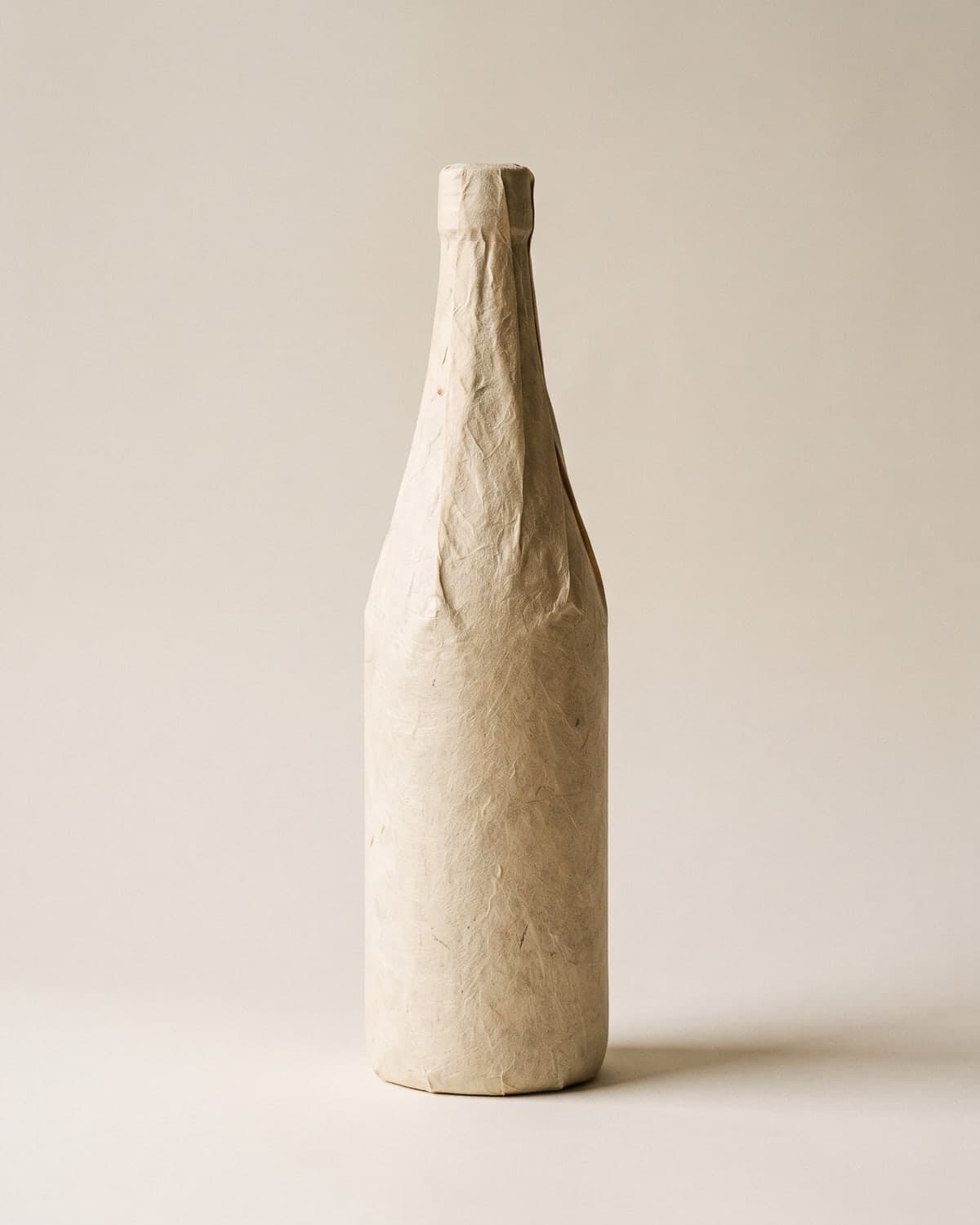
Mie-grown Kaminoho rice, made for a glass on a Tuesday
¥2,860tax included≈ $19
Hoshinami Shuzo・Minamiuonuma, Niigata Prefecture
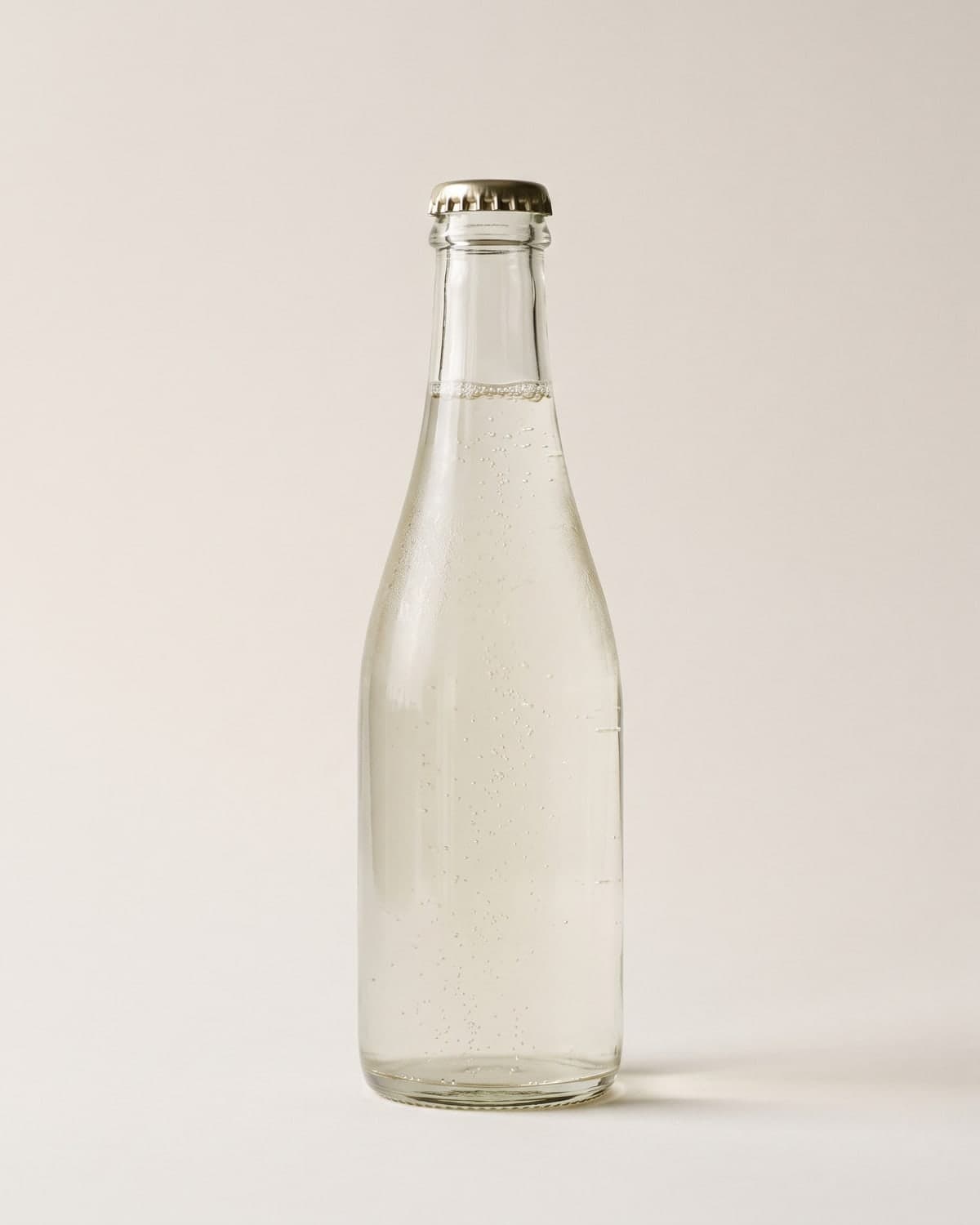
Bottle-fermented, 12% ABV, opens with a crown cap
¥2,200tax included≈ $15