Regular
Akari Shuzo・Iga, Mie Prefecture
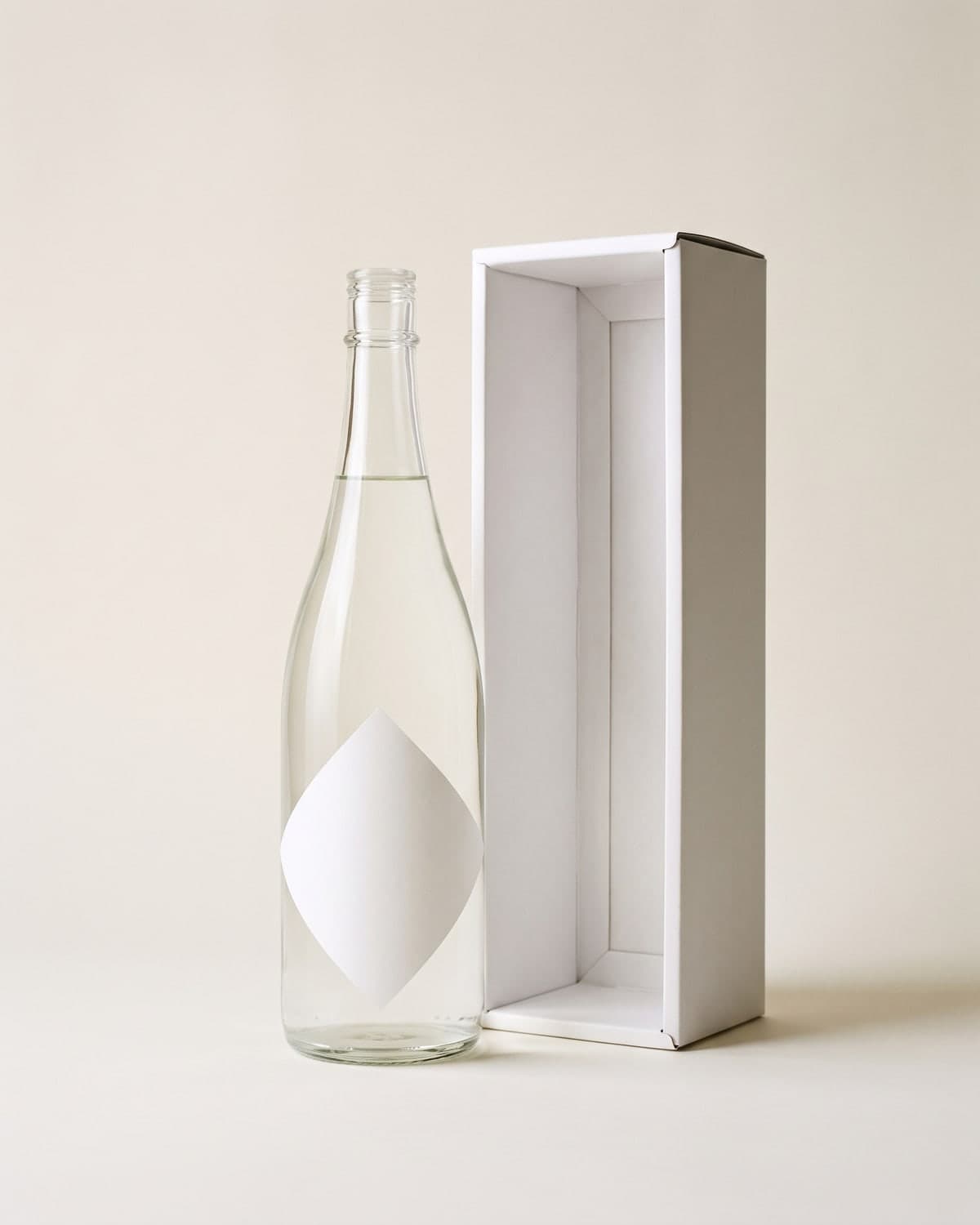
Akari Junmai Daiginjo Hatsuakari, 720ml
Yamada Nishiki milled to 40%, boxed and ready to hand over
- Polish
- 40%
- SMV
- +2
- Size
- 720ml
- ABV
- 15.5%
- From
- Iga, Mie Prefecture
¥8,800tax included≈ $59
In stockGift-ready
We ship within Japan, and to your hotel.
Noshi is the printed paper strip that goes with a gift in Japan. Outer noshi sits on top of the wrapping so the occasion is visible at a glance; inner noshi sits under it, for a quieter gift. For anything posted, inner noshi is the usual choice. You set the inscription and the sender's name on the product page and can change them in the cart.
Updated 9 September 2026
| Type | Where it sits | Best for |
|---|---|---|
| Outer (soto-noshi) | On top of the wrapping | Handed over in person; celebrations and corporate gifts |
| Inner (uchi-noshi) | Under the wrapping | Anything posted, and thank-you gifts meant to be understated |
| No noshi | — | Casual gifts, or something for yourself |
You do not choose it — the inscription does. Anything you would be glad to see happen again (congratulations, thanks, a return gift, the midsummer and year-end gifts) takes chou-musubi, a bow that can be untied and retied. Anything meant to happen once — a wedding, thanks for a recovery, a funeral — takes musubikiri, pulled tight so it cannot be undone. The knot is the meaning.
| Knot | What it says | Inscriptions |
|---|---|---|
| Chou-musubi (a bow) | Something that may happily recur | 御祝, 御礼, 内祝, 御中元, 御歳暮, 御年賀, 御挨拶 |
| Musubikiri (tied once) | Something meant to happen once | 寿, 御結婚御祝, 快気祝 |
| Musubikiri, black and white | Condolences | We do not currently offer this |
You pick the inscription from a list when you order; there is no free-text box. The knot follows the inscription, so choosing 寿 or 御結婚御祝 for a wedding gets you the once-only knot. The folded hexagon at the top right is the noshi-awabi, a survival of the strip of dried abalone once attached to a gift: without it the paper is a kakegami, not a noshigami.
There is a set phrase for each occasion. If you are unsure, "御祝" (congratulations) or "御礼" (thank you) is always safe. The sender's name — usually just the family name — goes underneath.
| Occasion | Inscription | Reading |
|---|---|---|
| General congratulations | 御祝 | o-iwai |
| A wedding (musubikiri) | 寿 | kotobuki |
| Thank you | 御礼 | o-rei |
| Returning a gift you received | 内祝 | uchi-iwai |
| Midsummer greeting (early July to early August) | 御中元 | o-chugen |
| Year-end greeting (December) | 御歳暮 | o-seibo |
| A visit or introduction | 御挨拶 | go-aisatsu |
Condolence gifts use musubikiri in black and white or double silver, with different wording. We do not currently offer that option.
Shipping alcohol out of Japan needs an export licence for liquor wholesalers, which we are still obtaining. Until then we cannot send it abroad. Noshi rarely means anything to a recipient outside Japan, so an English message card usually lands better.
If the person is visiting Japan, hotel delivery is the better route: we aim to have it waiting the day before they check in.
If your question is not here, email us. info@guida.jp
Akari Shuzo・Iga, Mie Prefecture
Yamada Nishiki milled to 40%, boxed and ready to hand over
¥8,800tax included≈ $59
Akari Shuzo・Iga, Mie Prefecture
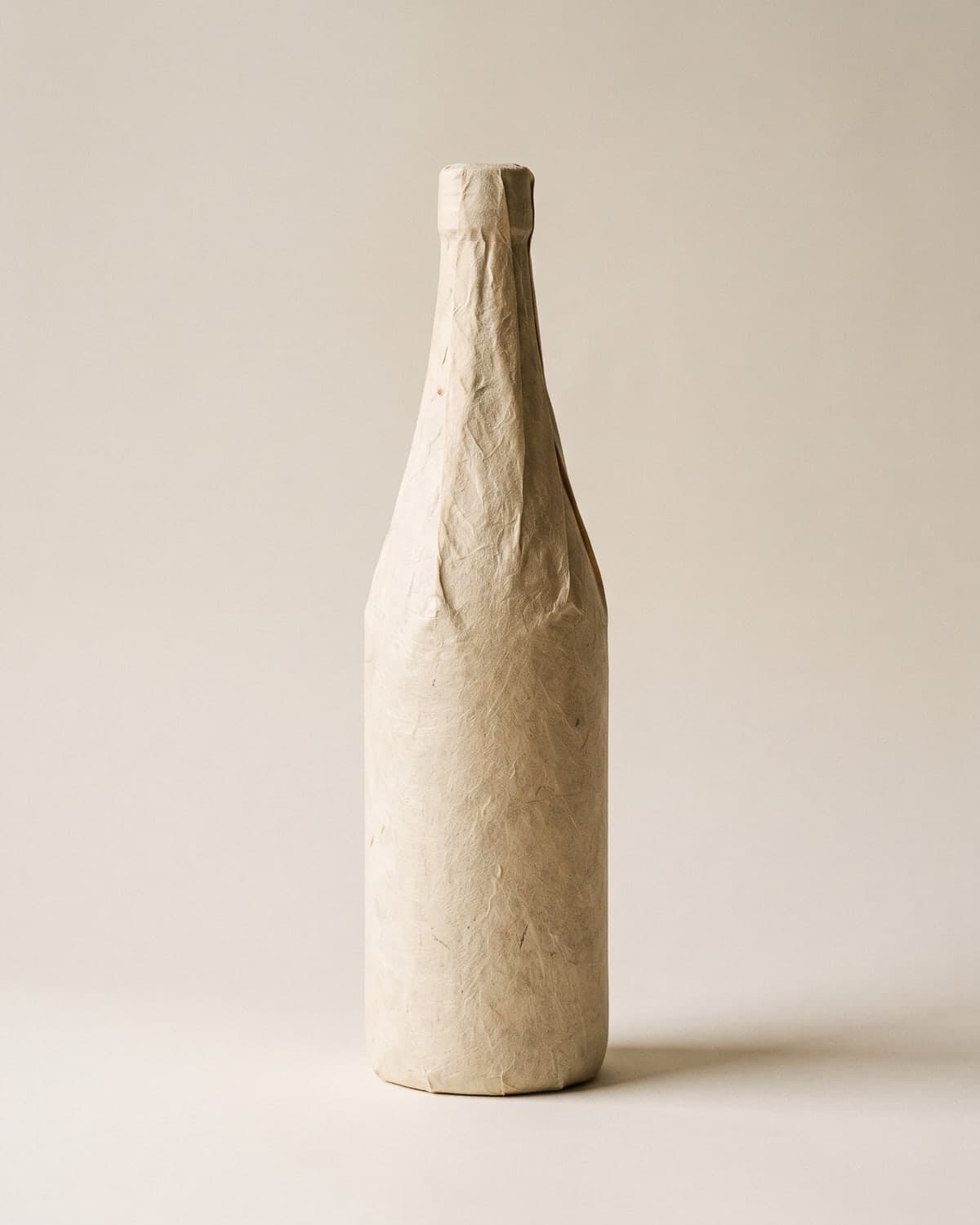
Mie-grown Kaminoho rice, made for a glass on a Tuesday
¥2,860tax included≈ $19
Hoshinami Shuzo・Minamiuonuma, Niigata Prefecture
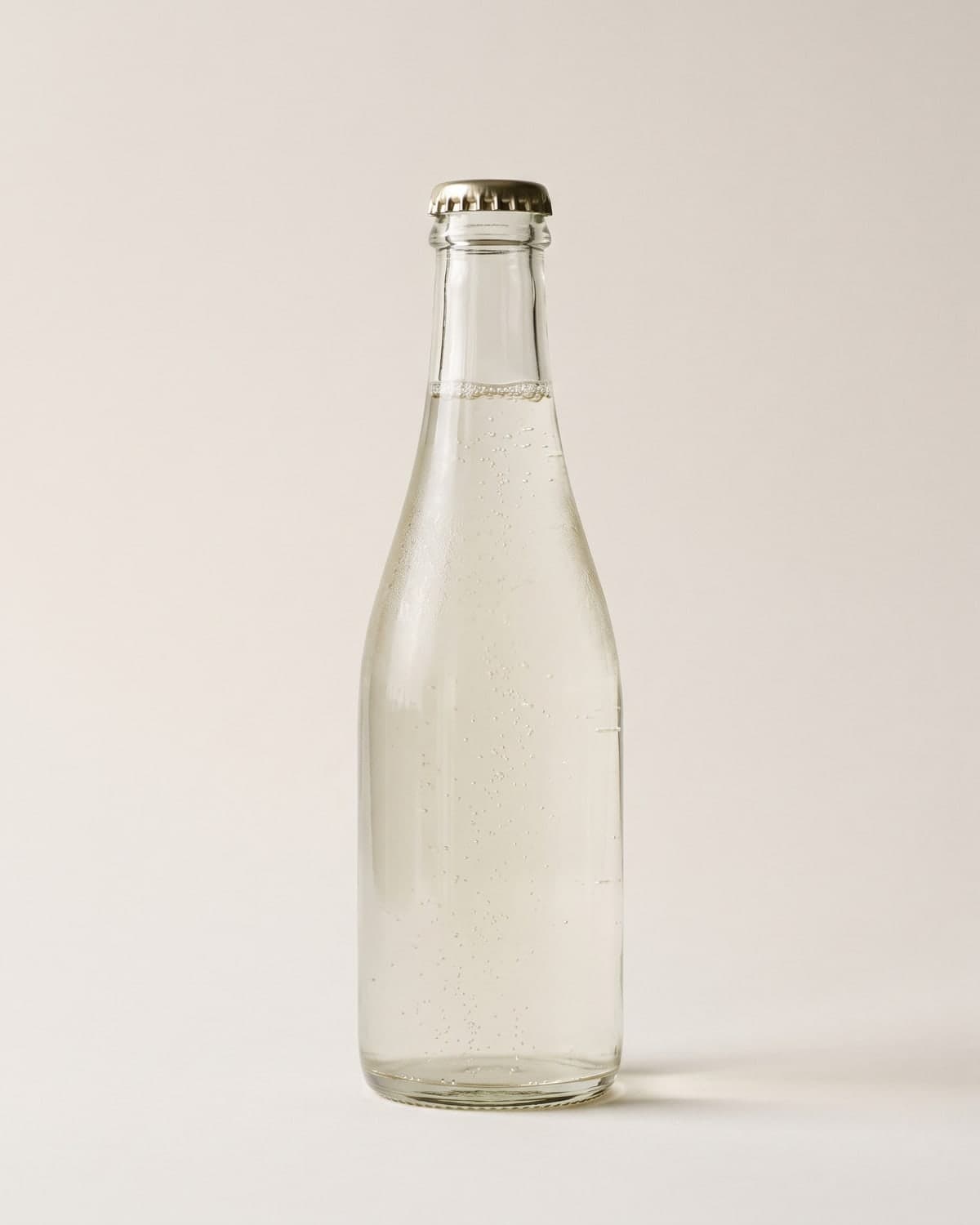
Bottle-fermented, 12% ABV, opens with a crown cap
¥2,200tax included≈ $15